
THEOSIS
θέωσις
The ancient path of deification, transformation, and union with the divine
WHAT IS THEOSIS?
Theosis (θέωσις) is the central concept in Eastern Orthodox Christian theology referring to the process of deification or divinization—the transformative journey through which human beings participate in the divine nature.
The term comes from the Greek word theopoiesis, meaning "to make divine" or "to deify." This is not a literal transformation into God, but rather a mystical union with God's energies while His essence remains transcendent and unknowable.
Rooted in Scripture—particularly 2 Peter 1:4, which speaks of becoming "partakers of the divine nature"—Theosis represents the ultimate purpose of human existence in Orthodox thought: to achieve perfect communion with God through grace.
This profound theological concept emphasizes transformation, transcendence, and the cooperative synergy between human will and divine grace—a journey from darkness into light, from mortality toward immortality.
HISTORICAL FOUNDATION
Athanasius of Alexandria
The 4th-century Church Father famously articulated the concept of Theosis with the powerful statement:
"God became man so that man might become god."
Athanasius established the theological foundation that humanity's salvation involves actual participation in divine life, not merely moral improvement or legal justification.
Patristic Theology
The early Church Fathers—including Irenaeus, Clement of Alexandria, Origen, and Basil the Great—developed the doctrine of deification as central to Christian soteriology.
These theologians emphasized that salvation is not simply escaping punishment, but being transformed and elevated to share in God's own life—a radical vision of human destiny that distinguishes Eastern Orthodox thought from much of Western Christianity.
Gregory Palamas & Hesychasm
In the 14th century, Gregory Palamas defended the hesychast tradition and articulated the crucial distinction between God's essence and His energies—the theological foundation that makes Theosis possible.
Palamas taught that while God's essence remains utterly transcendent and inaccessible, humans can genuinely participate in God's uncreated divine energies through prayer, ascetic practice, and grace.
THE THREEFOLD PATH
Catharsis
Purification
The first stage of Theosis involves cleansing the soul from passions, vices, and sinful attachments. Through repentance, prayer, fasting, and ascetic discipline, the believer begins to purify the heart.
This purgation creates the inner stillness necessary for communion with God—a death to the old self and liberation from the tyranny of disordered desires.
Theoria
Illumination
Having purified the soul, the believer enters the stage of illumination—experiencing the uncreated light of God. This is not merely intellectual knowledge, but direct mystical vision and contemplation.
Theoria represents the opening of spiritual eyes, the experience of divine energies, and the beginning of genuine communion with the divine presence.
Union
Theosis Proper
The culmination of the spiritual journey: full participation in the divine energies through grace. The believer achieves profound union with God while maintaining their distinct personhood.
This is Theosis in its fullness—becoming by grace what God is by nature, radiating divine light, and dwelling in perfect love and communion with the eternal.
ESSENCE & ENERGIES
A critical theological distinction makes Theosis coherent: the difference between God's essence (ousia) and His energies (energeia).
Divine Essence
God's essence remains absolutely transcendent, unknowable, and inaccessible. No creature can comprehend or participate in what God is in His innermost being. This preserves the infinite distinction between Creator and creation.
Divine Energies
God's energies are His activities, operations, and manifestations in the world—how He reveals Himself and acts. These energies are fully divine, uncreated, and eternal. Through grace, humans can participate in these divine energies.
This theological framework, articulated definitively by Gregory Palamas, explains how humans can genuinely experience union with God without violating His transcendence—participating in divine life without becoming divine in essence.
THE NAME, THE MUSIC, THE VISION
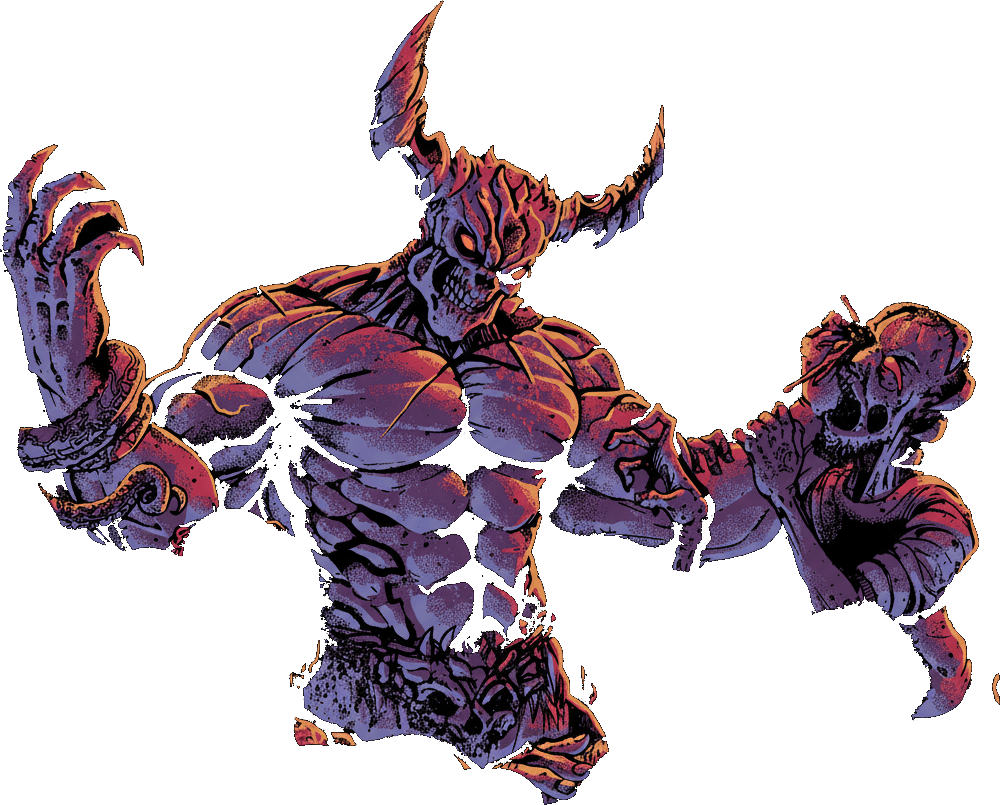
When we chose the name THEOSIS, we embraced more than an ancient theological term—we adopted a philosophy of transformation, transcendence, and the journey from darkness into light.
Our music embodies this concept: the brutal and the beautiful, the infernal and the transcendent, darkness meeting divinity. Like the threefold path of catharsis, theoria, and union, our sound moves through purging intensity, illuminated melody, and ultimate fusion.
The "Infernal Cathedral" aesthetic—our signature blend of gothic grandeur and metal brutality—mirrors the paradox of Theosis itself: achieving union with the divine through struggle, suffering, and transformation. We are architects of a sonic cathedral where darkness and transcendence collide.
Every riff, every growl, every harmonized passage is a musical meditation on transformation—the death of the old self and the ascent toward something greater. This is our deification through sound.
EXPERIENCE THE TRANSFORMATION
Discover the music that embodies this ancient concept of transcendence.